
How Order Fulfillment Automation Powers E-Commerce Success
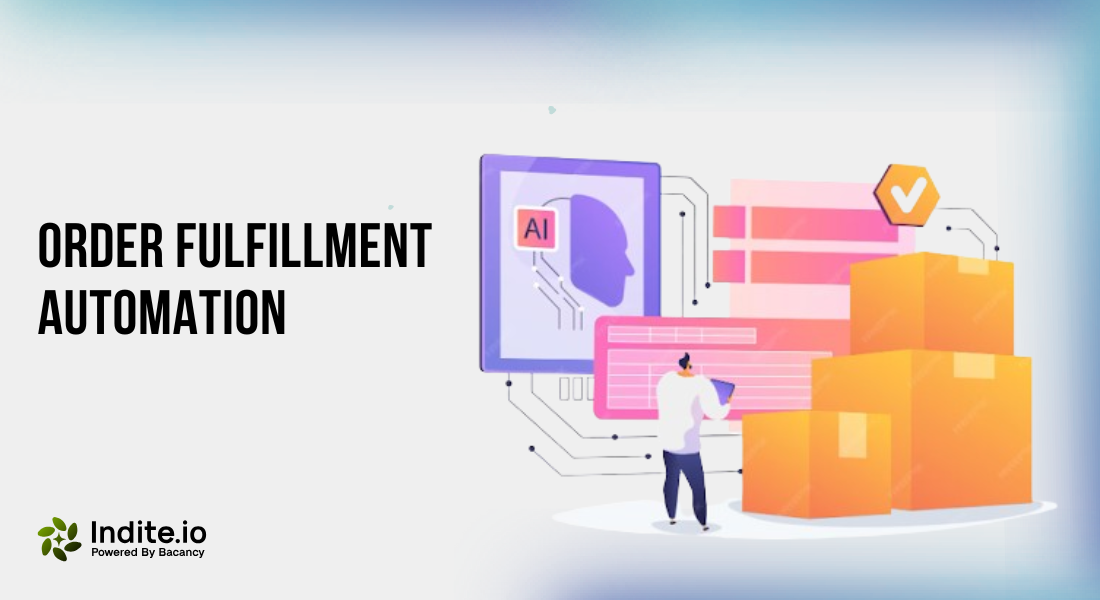
Order fulfillment automation builds upon existing technology to perform a set of interconnected tasks spanning the receipt of an order through to its picking, packing, shipping, and even handling of returns. As a result, companies from all industries enjoy a supply chain that is faster, scalable, and free of errors. The automation of order fulfillment helps businesses not only to process orders faster but also to ensure operational efficiency. This extensive blog explores order fulfillment automation, sheds light on its benefits, and demonstrates the core order fulfillment automation solutions with use cases in different industries and how it can help businesses face and handle operational and consumer demands.
What Is Order Fulfillment Automation?
Order fulfillment automation refers to a system that automatically completes a wide variety of fulfillment tasks through the whole cycle of fulfilling an order, through inventory management, picking and packing, shipping and returns. Where order fulfillment used to mean every part of the process had to be done manually, with immense physical effort on the part of the staff, all today’s progress means that order fulfillment can be a streamlined and automated process utilizing software platforms, robotics, sensors, and analytics, so that the system can operate flawlessly and quickly at any scale. This is possible because businesses can have centralized management and real-time visibility and can manage a variety of warehousing, supply and delivery systems simply by altering existing management platforms or systems.
Manual fulfillment needed handwritten notes, disparate processes, and endless data entry. This resulted in dozens of slowdowns, high error rates and dissatisfied customers. Automated fulfillment systems operate as a single integrated process; this means some of the slowdowns are avoided and predictability is improved.
Benefits of Automation for Order Fulfillment
They not only improve processes drastically, but automated systems also change the face of logistics and the overall customer experience:
- Speed and Efficiency: Orders are processed in much less time than with a human assembly team. Technologies like barcodes, robots, and conveyor belts allow for e-commerce delivery within the same day or the very next day. Order cycle times are slashed, allowing companies to meet surges in demand effortlessly.
- Cut in Costs: By automating inventory management and other tasks, companies can cut both the operational and staffing costs associated with manual labour and inefficient resource management.
- Mistake Prevention: As far as picking, packing, shipment assignment, and other data entry is concerned, a combination of software-driven workflows and robotics ensures that errors are far and few between, greatly limiting costly returns and unhappy customers.
- Better User Experience: Automation helps with accurate deliveries, proactive alerts, and uniform package processing. All these lessen customer complaints and build customer loyalty.
- Stronger Returns Management: The returns processes are tracked, recorded, and serviced to ensure proper customer care, and can be efficiently handled with automated reverse logistics processes.
- Fraud Reduction: Modern tools such as fraud detection and address validation help a company avoid loss from scams and wrongly shipped products.
- Adaptability and Expansion: Companies can respond to new product launches, new markets, or further product expansion alongside seasonal demands without needing to hire or train new employees. The infrastructure changes to meet market needs.
Key Automation Solutions for Order Fulfillment
Modern order Fulfillment Automation uses a diverse arsenal of technology:
Order Management Systems (OMS)
Such systems handle order processing from inception to fulfillment, integrating with sales and inventory systems. Shipping, inventory, and returns management are streamlined and optimized, reducing friction and providing a single dashboard.
Warehouse Robotics
Within distribution centers, the use of robotic arms as well as AGVs transform the efficiency of picking, placing, and transporting products. This drastically improves operational speed and safety, while also improving the handling of both regular and irregularly shaped merchandise. The dependence on human labor is reduced significantly.
RFID and Barcode Scanning
The use of RFID tags and barcodes enables the tracking of product movement in inventory and packing and shipping processes. The system ensures real-time verification, which helps in reducing errors.
Automated Conveyor Systems
Using smart conveyors, finished goods are moved from the picking to the packing and shipping areas, ensuring there is no congestion at the different workflows.
Tracking & Control of Inventory in Real-Time
Automated systems immediately update stock quantities across several stockrooms. They also place replenishment orders and redistribute stock in response to analytics-driven demand predictions.
Return Management Systems
A fully integrated system handles the entire reverse logistics process, from the receipt of goods to their restocking or cross-shipping, offering seamless return management.
Automated Packing and Labelling Solutions
In volume-driven environments, software-driven packing stations effectively support optimal box selection, shipping label printing, and package sealing.
Use Cases Across Industries
Automation for completing orders is revolutionizing operations in the following sectors:
Retail and E-Commerce
Both ecommerce and online retailers benefit from automation in inventory management and the picking, packing, and labeling of items. For instance, Amazon employs robotics and advanced AI to monitor stock in real-time, to pick items around the clock, and to plan for upcoming demand. This enables the company to fulfill and deliver a staggering number of daily orders within a single day.
Food and Beverage
Brands dealing with global supply chains also benefit from automation, which aids with speedy distribution and tracking for perishable foods. Automation in food and beverages predicts demand and aids delivery, which helps reduce waste and guarantees products’ freshness.
Manufacturing
Automating the delivery of parts and the creation of kits is common for manufacturers, as is the use of robots for assembly, packaging, and quality checks. This provides short production cycles and high precision, along with integrated supply chain management, which is important in allowing companies like Tesla to remain agile and efficient.
Healthcare
The packing of medications and handling of devices, including their cold chain logistics, are automated in hospitals and pharmaceutical companies. IoT-enabled systems assist with shipment temperature tracking, regulatory compliance and procurement, eliminating bottlenecks and enhancing healthcare by assisting with patient care.
How Indite.io Can Enhance Order Fulfillment Automation
Indite.io, an AI automation Platform, provides intelligent automation by assisting businesses in creating their own AI agents and chatbots for different sectors, such as e-commerce, retail, and food and beverage. These custom AI agents tackle issues pertaining to support, processing, and customer experience within these industries.
Order Processing and Customer Support Available 24/7: Indite.io’s AI agents can seamlessly take care of essential order fulfillment functions such as accepting new orders, checking inventory, setting off shipments, and notifying customers of status changes, all in real-time and without any human oversight.
Automated Order Tracking and Notifications: Customers can instantly track their orders, initiate returns, and get shipping inquiries resolved through integrated processes, which not only helps in reducing the workload on the support teams but also enhances the speed of response.
Workflow Builder With No Code Requirement: The visual workflow builder on the platform enables companies to set up intricate automation processes without the need to write code, allowing faster roll-out and easier adjustment to business shifts.
Integration With Multiple Channels: Indite.io is compatible with e-commerce and retail POS systems, messaging platforms (such as WhatsApp), and ERP systems, enabling a consistent fulfillment process and providing a centralized data analytics platform.
Automation features specific to an industry: Automated features tailored to the specific needs of industries, such as inventory management, supply chain messaging, compliance, and product suggestions in retail, healthcare, and manufacturing.
Scalable and Secure: As the company expands, Indite.io’s drag-and-drop builder, strong API integrations, versioning, and team collaboration features help streamline and secure the order fulfillment system.
Summary
Order fulfillment automation is taking the business world by storm, especially in the finance world. Businesses can now operate more efficiently, at a lower cost, and at a larger scale than ever before, especially in the world of e-commerce. As the technology evolves, the new standards in customer satisfaction, automation robots, and advanced analytics will integrate systems, creating a new level in shipping. Automation will enhance supply reliability.
As automation systems continue to be integrated in organizations, it is becoming evident that automation is essential to the survival of businesses. Whether in retail, manufacturing, or distribution, the adoption of these technologies ensures that businesses will have strong and efficient supply chains, happy clientele, and advanced technologies to compete in the market.